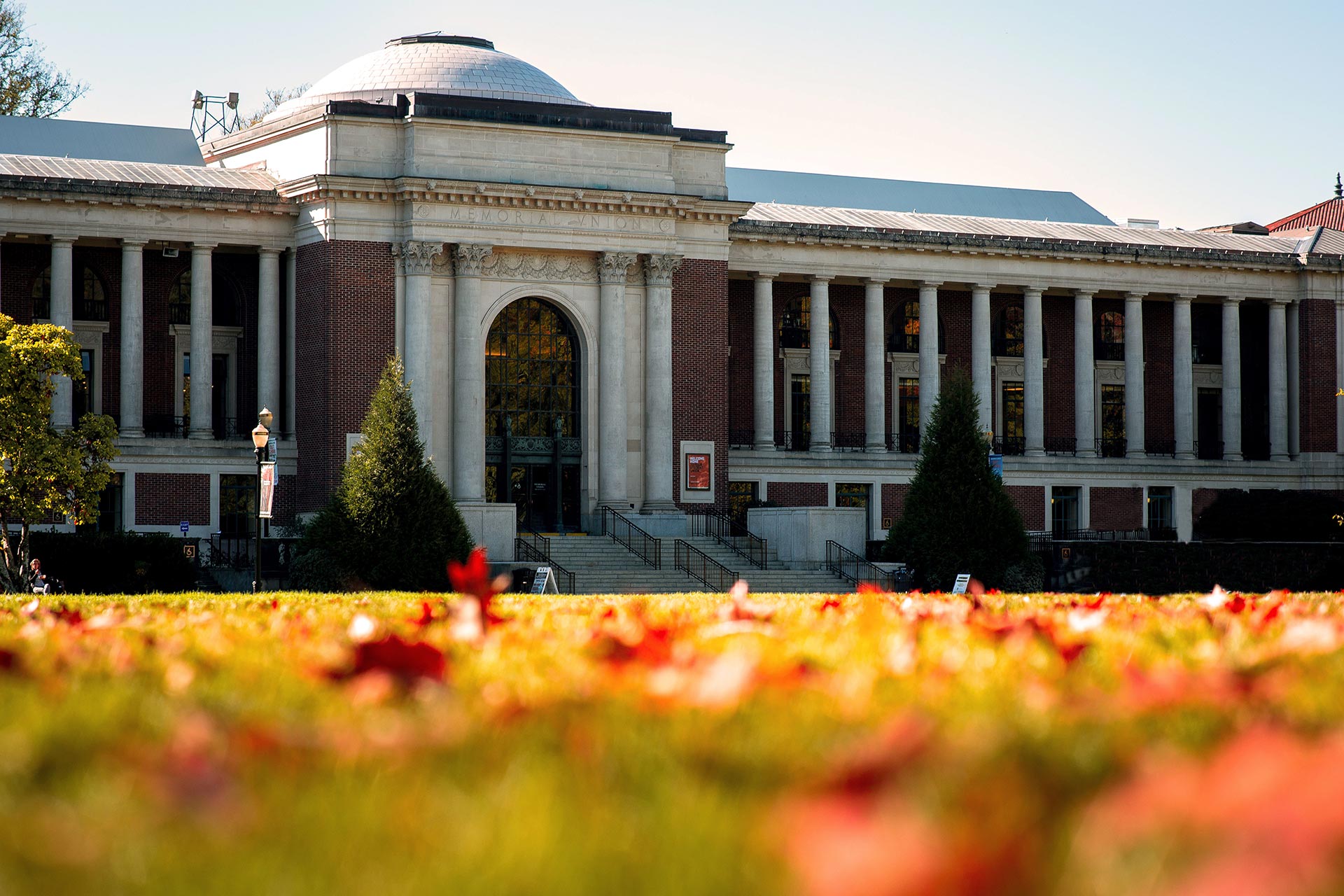
Oregon State University
About Oregon State University
-
OSU is a public, land-grant research university located in Corvallis, Oregon, USA.
-
It was founded in 1868 and is one of the major universities in Oregon.
-
OSU holds the distinctive designation of being among the few U.S. universities with Land-Grant, Sea-Grant, Space-Grant and Sun-Grant statuses.
-
The university emphasises research, innovation and preparing students for careers and global challenges.
Why Choose Oregon State University (for International Students)
Here are some strong reasons international students might choose OSU:
-
Global and welcoming environment: OSU has a dedicated Office of International Services and supports students from many countries.
-
Flexible learning modes: OSU offers extensive online (Ecampus) and blended learning, which may be beneficial if you cannot relocate or wish to start remotely.
-
Strong academic reputation and research opportunities: With its high research classification, you’ll have access to faculty, labs and a wide range of disciplines.
-
Support services and pathways: For students whose English proficiency or academic preparation needs strengthening, OSU has partner programmes (such as through INTO Oregon State University) and preparation pathways.
-
Career readiness and value: OSU’s positioning (“West Coast’s Most Valuable Degree”) emphasises the return on investment, internships and employability in tech/industry-rich region.
University Ranking & Reputation
-
Wiki-based summary: OSU was listed as an R1 (very high research activity) university and among the top ~1.4% of institutions worldwide (according to one ranking) in 2023.
-
OSU’s online programs (Ecampus) are ranked highly: e.g., among the top 10 nationally for online bachelor’s programmes in recent years.
-
For undergraduate/graduate campus-based programmes, OSU is well-regarded especially in STEM, agriculture, forestry, engineering, and environmental sciences (which may matter if your major is in those areas).
Campus Locations
-
Main campus: Corvallis, Oregon. This is the primary location for most undergraduate and graduate programmes.
-
Other campuses / locations: OSU also has the OSU-Cascades campus in Bend, Oregon, and other extension/online offerings.
-
Being in Corvallis means a somewhat smaller university town atmosphere (not a mega-metropolis), which many students like for focus, community and study environment.
Types of Courses (Study Levels) & Number of Programs Offered
-
OSU offers undergraduate (bachelor’s) degrees, graduate (master’s/PhD/doctorate) programmes, and certificate/online credentials.
-
According to the wiki summary, OSU offers “more than 200 undergraduate degree programmes, and graduate and doctorate degrees through all 11 colleges.”
-
So you have a broad selection across disciplines: sciences, engineering, business, education, liberal arts, agriculture, forestry, environmental sciences, etc.
-
For international students: there are direct entry programmes and pathway programmes (especially via INTO OSU) for those needing English or academic preparation.
Mode of Learning (On-site / E-learning / Blended)
-
On-site (in-person): Traditional campus learning at Corvallis (and other campus locations) for many programmes.
-
E-learning / online (Ecampus): OSU’s Ecampus delivers online and hybrid courses and full programmes to students in many countries.
-
Blended / hybrid formats: Some programmes allow a mix of on-campus + online components. For international students, this can offer flexibility (especially if starting abroad).
-
Important note for visa-status students: If you are studying on-campus in the U.S. under F-1/J-1 you must maintain full-time on-campus enrollment in many cases – online-only wouldn’t qualify. OSU’s International Services page outlines registration requirements.
Highlights & Strengths
-
OSU is research-intensive and offers very strong programmes in STEM, environmental science, forestry, agriculture, engineering and sustainability.
-
Flexibility in learning: It’s one of the top institutions in the U.S. for online/bachelor’s online programmes (good if you may start online).
-
Good infrastructure for international students: dedicated services via Office of International Services (OIS), orientation programmes, visa/advising, housing support.
-
A global experience: The INTO OSU partnership and international student support make transition easier.
-
Living in Corvallis and Oregon: While not a big city, the setting provides a safe, focused academic environment with access to nature, and some proximity to the Pacific Northwest’s tech/industry region.
-
A strong value proposition, especially for students looking for high quality education, research opportunities and a flexible approach.
Latest Updates & Things to Watch
-
OSU strongly recommends international applicants apply early: for undergraduate/INTO programmes at least eight (8) weeks prior to expected start; for graduate programmes about six months or more.
-
Visa & enrolment factors: For F-1/J-1 international students, OSU lists full-time enrollment requirements and restrictions on how many online credits can count toward full-time status.
-
In 2025, there was an issue at OSU and other Oregon institutions where international students experienced visa-status complications. This reflects wider regulatory risk for international students in the U.S.
Practical Next Steps for an International Applicant
-
Choose your programme/major: Visit OSU’s “Programs” page for international admissions to see available undergraduate & graduate programmes.
-
Check admission requirements: For international students you’ll need to check academic prerequisites + English proficiency + visa status info.
-
Check scholarship/financial aid eligibility: Review the merit scholarship opportunities for international students (undergrad and grad) and understand whether you meet the GPA/merit criteria.
-
Plan finances and living costs: Check tuition estimates for international students, cost of living in Corvallis, housing, etc. OSU’s housing page for international students is helpful.
-
Prepare visa documentation & timing: Ensure you apply with sufficient lead time for I-20/visa, and maintain full-time status requirements once enrolled.
-
Consider mode of delivery: If you cannot relocate immediately, look into OSU’s online/Ecampus options (though verify eligibility for those as an international student, and how that affects visa status if you intend to move to the U.S.).
-
Engage the support services: Connect early with OSU’s Office of International Services (OIS) for orientation, immigration/visa advice, and student life support.
Scholarship
Types of scholarships and how they apply to international students
-
Admission-based / Incoming student scholarships (automatic consideration) —
Incoming international students are considered for admission-based scholarships when they apply for admission (sometimes there’s a scholarship portion of the admission application). OSU’s admission packets and Scholarship Office pages say many entry scholarships are awarded automatically after admission review and/or completion of the scholarship section by posted deadlines. Examples include the Provost’s Scholarships for Excellence (values shown by OSU and partner sites) and regional awards for certain geographies. These awards are typically tuition discounts paid over years and may be renewable. -
Continued Success Scholarships (pathway / transition awards) —
OSU offers a Continued Success Scholarship for students who complete OSU pathway programs (International Year One, Graduate Pathway, etc.) and matriculate to OSU. For undergraduates or graduates coming through pathway programs the amounts commonly cited are $3,000 or $5,000 per year, renewable while you meet the GPA and enrollment rules. These awards are automatic once you meet the stated GPA thresholds in the pathway program. -
College / major / departmental scholarships —
Many colleges, departments, and research groups at OSU maintain their own scholarships and graduate assistantships (teaching or research). These may be merit-based, need-based, or tied to research/TA/RA roles. International students are frequently eligible — check the specific college page (e.g., engineering, forestry, business) for deadlines and procedures. OSU’s ScholarDollars / Scholarship Office can help you find department listings. -
National & global competitive scholarships (external fellowships) —
OSU’s National & Global Scholarships Advising office helps students apply for prestigious external awards (Fulbright, Rhodes, Marshall, Goldwater, etc.). International students and non-U.S. citizens can also access some specialized opportunities (the office has guidance on opportunities for non-U.S. citizens). If you’re aiming for high-impact national/global awards, book advising early. -
Scholarships for current OSU students / continuing students —
Once enrolled, current students can apply for many internal scholarships via OSU’s scholarship system (Scholarship Office listings). Some awards require a FAFSA/ORSAA when need is a factor — note that if you do not have FAFSA (because you’re international), you’ll be ineligible for some need-based campus scholarships. OSU’s pages explain how FAFSA/ORSAA status affects eligibility.
Typical amounts and what scholarships actually cover
-
Award sizes vary widely: pathway and continued success awards often fall in the $3,000–$5,000 per year range; major admission awards (like Provost’s Scholarships) can be much larger (OSU and partner sites reference up to $6,000/year or higher and cumulative amounts shown on enrollment/partner pages). Regional awards and some merit packages may offer one-time or multi-year reductions. Departmental assistantships (grad TAs/RAs) can include tuition remission plus stipend. Always confirm exact values on the specific award page for the year you apply.
Eligibility rules (what OSU will check)
-
Admission & program — You must be admitted as a degree-seeking student (or have satisfactorily completed an OSU pathway program) to be eligible for most institutional scholarships. Some pathway completion scholarships require specific GPA thresholds in the pathway program.
-
Academic merit — Most automatic and merit awards are based on GPA, standardized test scores (if the award requires them), or documented academic achievements. Pathway awards rely on pathway GPA cutoffs (e.g., 3.5 or 3.75 thresholds for different award levels).
-
Enrollment status — Full-time enrollment is usually required for scholarship disbursement and renewal. Graduate assistantships require enrollment and departmental appointment.
-
Financial aid forms — Some OSU scholarships use FAFSA/ORSAA to determine need-based eligibility. Because most international students cannot complete the FAFSA, they are not eligible for FAFSA-dependent awards; OSU’s scholarship pages note this clearly. However, OSU still offers many merit awards where FAFSA is not required.
Renewal rules & fine print — read these carefully
-
Renewability — Many scholarships are renewable year to year if you maintain a required minimum GPA and full-time enrollment. For example, pathway/continued success scholarships list renewal contingent on maintaining a GPA (often 3.5+) and consecutive enrollment. Always check the award’s renewal terms.
-
Stacking & limits — Some awards cannot be combined (OSU pages indicate continued success awards cannot be combined with certain regional/provost awards — check specifics for your award). Departmental awards and assistantships have their own stacking rules.
-
FAFSA-dependent awards — If an award requires FAFSA/ORSAA, international students are usually not eligible. OSU uses FAFSA or ORSAA to determine eligibility for many need-based awards.
Extra funding routes & advising OSU offers
-
National & Global Scholarships Advising — OSU’s office helps students apply for prestigious external awards (Fulbright, Rhodes, Goldwater, etc.). This is useful if you want big, competitive fellowships during or after your OSU degree.
-
Departmental assistantships — Graduate TAs/RAs can cover tuition and pay a stipend; check department pages and apply early.
-
Study-abroad & program scholarships — OSU Global Opportunities has pages describing how financial aid and scholarships can apply to education-abroad programs.
Practical tips to maximise your chances (short & actionable)
-
Apply early and complete the scholarship portion of the admission application by the stated deadlines (some admissions scholarships have early/fall deadlines).
-
If you enter via a pathway program, aim for the higher pathway GPA cutoffs (3.5 and 3.75) to unlock $3,000–$5,000 Continued Success awards.
-
Contact your department after admission to ask about college-level scholarships and graduate assistantship opportunities — many large awards are handled locally.
-
Use OSU’s National & Global Scholarships Advising if you plan to apply for big external fellowships. Book appointments early — these applications take months.
-
Always confirm renewability rules and stacking limits in writing (award letters) before you finalise your funding plan.
Programs
-
USD 32,850
-
USD 44,080
-
USD 44,080
-
USD 32,850
-
USD 32,850
-
USD 32,850
-
USD 32,850
-
USD 32,850
-
USD 32,850
-
USD 32,850
-
USD 32,850
-
USD 32,850
-
USD 32,850
-
USD 32,850
-
USD 32,850
-
USD 32,850
-
USD 32,850
-
USD 32,850
-
USD 32,850
-
USD 32,850
-
USD 32,850
-
USD 32,850
-
USD 32,850
-
USD 32,850
-
USD 32,850
-
USD 32,850
-
USD 32,850
-
USD 32,850
-
USD 32,850
-
USD 32,850
-
USD 32,850
-
USD 32,850
-
USD 32,850
-
USD 32,850
-
USD 32,850
-
USD 32,850
-
USD 32,850
-
USD 32,850
-
USD 32,850
-
USD 32,850
-
USD 32,850
-
USD 32,850
-
USD 32,850
-
USD 32,850
-
USD 32,850
-
USD 32,850
-
USD 32,850
-
USD 32,850
-
USD 32,850
-
USD 32,850
-
USD 32,850
-
USD 32,850
-
USD 32,850
-
USD 32,850
-
USD 32,850
-
USD 44,080
-
USD 32,850
-
USD 32,850
-
USD 32,850
-
USD 32,850
-
USD 32,850
-
USD 44,080
-
USD 32,850
-
USD 32,850
-
USD 32,850
-
USD 32,850
-
USD 32,850
-
USD 32,850
-
USD 32,850
-
USD 32,850
-
USD 32,850
-
USD 32,850
-
USD 32,850
-
USD 32,850
-
USD 32,850
-
USD 32,850
-
USD 32,850
-
USD 32,850
-
USD 32,850
-
USD 32,850
-
USD 32,850
-
USD 32,850
-
USD 32,850
-
USD 32,850
-
USD 32,850
-
USD 32,850
-
USD 32,850
-
USD 32,850
-
USD 32,850
-
USD 32,850
-
USD 32,850
-
USD 32,850
-
USD 32,850
-
USD 32,850
-
USD 32,850
-
USD 32,850
-
USD 32,850
-
USD 32,850
-
USD 32,850
-
USD 32,850
-
USD 32,850
-
USD 32,850
-
USD 32,850
-
USD 32,850
-
USD 32,850
-
USD 32,850
-
USD 32,850
-
USD 32,850
-
USD 32,850
-
USD 32,850
-
USD 32,850
-
USD 32,850
-
USD 32,850
-
USD 32,850
-
USD 32,850
-
USD 32,850
-
USD 32,850
-
USD 32,850
-
USD 32,850
-
USD 32,850
-
USD 32,850
-
USD 32,850
-
USD 32,850
-
USD 32,850
-
USD 32,850
-
USD 32,850
-
USD 32,850
-
USD 32,850
-
USD 32,850
-
USD 32,850
-
USD 32,850
-
USD 32,850
-
USD 32,850
-
USD 32,850
-
USD 32,850
-
USD 32,850
-
USD 32,850
-
USD 32,850
-
USD 32,850
-
USD 32,850
-
USD 32,850
-
USD 32,850
-
USD 44,080
-
USD 32,850
-
USD 32,850
-
USD 32,850
-
USD 32,850
-
USD 32,850
-
USD 32,850
-
USD 32,850
-
USD 32,850
-
USD 32,850
-
USD 32,850
-
USD 32,850
-
USD 32,850
-
USD 32,850
-
USD 32,850
-
USD 32,850
-
USD 32,850
-
USD 32,850
-
USD 32,850
-
USD 32,850
-
USD 32,850
-
USD 32,850
-
USD 32,850
-
USD 32,850
-
USD 32,850
-
USD 32,850
-
USD 32,850
-
USD 32,850
-
USD 32,850
-
USD 32,850
-
USD 32,850
-
USD 32,850
-
USD 32,850
-
USD 32,850
-
USD 32,850
-
USD 32,850
-
USD 32,850
-
USD 32,850
-
USD 32,850
-
USD 32,850
-
USD 32,850
-
USD 32,850
-
USD 32,850
-
USD 32,850
-
USD 44,080
-
USD 32,850
-
USD 32,850
-
USD 44,080
-
USD 32,850
-
USD 32,850
-
USD 32,850
-
USD 32,850
-
USD 32,850
-
USD 32,850
-
USD 32,850
-
USD 32,850
-
USD 32,850
-
USD 32,850
-
USD 32,850
-
USD 32,850
-
USD 32,850
-
USD 32,850
-
USD 44,080
-
USD 32,850
-
USD 32,850
-
USD 44,080
-
USD 32,850
-
USD 32,850
-
USD 32,850
-
USD 32,850
-
USD 32,850
-
USD 32,850
-
USD 32,850
-
USD 32,850
-
USD 32,850
-
USD 32,850
-
USD 32,850
-
USD 32,850
-
USD 32,850
-
USD 32,850
-
USD 32,850
-
USD 32,850
-
USD 32,850
-
USD 32,850
-
USD 32,850
-
USD 32,850
-
USD 32,850
-
USD 32,850
-
USD 32,850
-
USD 32,850
-
USD 32,850
-
USD 32,850
-
USD 32,850
-
USD 32,850
-
USD 32,850
-
USD 32,850
-
USD 32,850
-
USD 32,850
-
USD 32,850
-
USD 32,850
-
USD 32,850
-
USD 32,850
-
USD 32,850
-
USD 32,850
-
USD 32,850
-
USD 32,850
-
USD 32,850
-
USD 32,850
-
USD 32,850
-
USD 32,850
-
USD 32,850
-
USD 32,850
-
USD 32,850
-
USD 32,850
-
USD 32,850
-
USD 32,850
-
USD 32,850
-
USD 32,850
-
USD 32,850
-
USD 32,850
-
USD 32,850
-
USD 32,850
-
USD 32,850
-
USD 32,850
-
USD 32,850
-
USD 32,850
-
USD 32,850
-
USD 32,850
-
USD 32,850
-
USD 32,850
-
USD 32,850
-
USD 32,850
-
USD 32,850
-
USD 32,850
-
USD 32,850
-
USD 32,850
-
USD 32,850
-
USD 32,850
-
USD 32,850
-
USD 32,850
-
USD 32,850
-
USD 32,850
-
USD 32,850
-
USD 32,850
-
USD 32,850
-
USD 32,850
-
USD 32,850
-
USD 32,850
-
USD 32,850
-
USD 32,850
-
USD 32,850
-
USD 32,850
-
USD 32,850
-
USD 32,850
-
USD 32,850
-
USD 32,850
-
USD 44,080
-
USD 32,850
-
USD 32,850
-
USD 32,850
-
USD 32,850
-
USD 32,850
-
USD 32,850
-
USD 32,850
-
USD 32,850
-
USD 32,850
-
USD 32,850
-
USD 32,850
-
USD 32,850
-
USD 32,850
-
USD 32,850
-
USD 32,850
-
USD 32,850
-
USD 32,850
-
USD 32,850
-
USD 32,850
-
USD 32,850
-
USD 32,850
-
USD 32,850
-
USD 32,850
-
USD 32,850
-
USD 32,850
-
USD 32,850
-
USD 32,850
-
USD 32,850
-
USD 32,850
-
USD 32,850
-
USD 32,850
-
USD 32,850
-
USD 32,850
-
USD 32,850
-
USD 32,850
-
USD 32,850
-
USD 32,850
-
USD 32,850
-
USD 32,850
-
USD 32,850
-
USD 32,850
-
USD 32,850
-
USD 32,850
-
USD 32,850
-
USD 32,850
-
USD 32,850
-
USD 32,850
-
USD 32,850
-
USD 32,850
-
USD 32,850
-
USD 32,850
-
USD 32,850
-
USD 32,850
-
USD 32,850
-
USD 32,850
-
USD 32,850
-
USD 32,850
-
USD 32,850
-
USD 32,850
-
USD 32,850
-
USD 32,850
-
USD 32,850
-
USD 32,850
-
USD 32,850
-
USD 32,850
-
USD 32,850
-
USD 32,850
-
USD 32,850
-
USD 32,850
-
USD 32,850
-
USD 32,850
-
USD 32,850
-
USD 32,850
-
USD 32,850
-
USD 32,850
-
USD 32,850
-
USD 32,850
-
USD 32,850
-
USD 32,850
-
USD 32,850
-
USD 32,850
-
USD 32,850
-
USD 32,850
-
USD 32,850
-
USD 44,080
-
USD 32,850
-
USD 32,850
-
USD 32,850
-
USD 32,850
-
USD 32,850
-
USD 32,850
-
USD 32,850
-
USD 32,850
-
USD 32,850
-
USD 32,850
-
USD 32,850
-
USD 32,850
-
USD 32,850
-
USD 32,850
-
USD 32,850
-
USD 32,850
-
USD 32,850
-
USD 32,850
-
USD 44,080
-
USD 32,850
-
USD 32,850
-
USD 32,850
-
USD 32,850
-
USD 32,850
-
USD 32,850
-
USD 32,850
-
USD 32,850
-
USD 32,850
-
USD 32,850
-
USD 32,850
-
USD 32,850
-
USD 32,850
-
USD 32,850
-
USD 32,850
-
USD 32,850
-
USD 32,850
-
USD 32,850
-
USD 32,850
-
USD 44,080