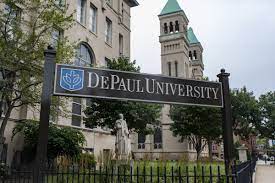
DePaul University
About DePaul University
-
Founded in 1898 and run by the Vincentians, DePaul is the largest Catholic university in the U.S. and serves roughly 21,000+ students. It emphasizes teaching, career preparation and city-engaged learning in Chicago.
Why choose DePaul (for international students)
-
Strong city advantage: downtown/industry access (arts, finance, tech, health) with many internship and networking opportunities across Chicago.
-
Wide program choice and applied learning: hundreds of programs (including strong film/game design, computing, business and performing arts) that emphasize practical experience and industry ties.
-
Flexible delivery: many programs offer evening, hybrid or fully online options so you can balance work/internships and study.
University rankings & recognitions (high-level)
-
DePaul receives regular regional and programmatic recognition (e.g., Princeton Review “Best Midwestern Colleges,” strong program rankings for game design and cinematic arts). DePaul’s online master’s programs are also ranked by U.S. News. (See DePaul rankings page for details.)
Campus locations
-
Lincoln Park Campus — residential, greener campus north of downtown near Lake Michigan; many undergrad residence halls, student services and a classic campus quad.
-
Loop Campus — downtown campus in Chicago’s central business district; great for internships, business/specialized classes, and cultural access.
Types of courses / study levels & number of programs
-
DePaul offers undergraduate (130+ majors), graduate (175+ programs) and professional programs across multiple colleges (e.g., business, computing, communication, science & health, law, music, theatre). In total DePaul lists 300+ degree programs across levels and disciplines.
Mode of learning (onsite / e-learning / blended)
-
Onsite (in-person): traditional classroom and lab-based programs on Lincoln Park and Loop campuses.
-
Hybrid / Blended: many programs (especially in professional and continuing studies) offer mixed in-person and online coursework.
-
Fully online: DePaul runs a portfolio of fully online degrees (especially at the graduate level — e.g., MS in Computer Science can be completed entirely online) and “hundreds” of online courses each term. DePaul’s online master’s programs also have national rankings.
Admissions essentials for international students
-
English proficiency (typical minimums): TOEFL iBT 80 (no subsection <17) or IELTS 6.5; Duolingo DET scores and conditional admission paths are also available. Programs/colleges sometimes require higher scores and conditional admission through DePaul’s English Language Academy (ELA) is an option.
-
Test-optional: DePaul is test-optional for many freshman applicants (SAT/ACT optional), but test scores can still be used for scholarship consideration or specific program requirements.
-
Documents commonly required: transcripts, proof of English proficiency, passport/ID, financial documents (for visa I-20), program-specific materials (portfolios, letters, etc.)
Tuition and cost snapshot
-
Tuition varies by college/program. DePaul lists tuition estimates for 2025–2026 (example: many colleges show ~$46,700–48,900 per year as an undergrad tuition estimate in some colleges—check the college page for exact program tuition and fees). Expect additional living and health insurance costs in Chicago. Always consult the program page and the International Admission tuition page for the latest numbers.
Housing & student life
-
On-campus housing is available (primarily Lincoln Park for residential halls; Loop has some options and many students choose nearby apartments). Housing pages show residence halls and apartments with standard furnishing and meal plan options. Student clubs, cultural groups and career services are active resources for international students.
Highlights & strengths (what students often like)
-
Strong industry connections in Chicago (internships, city labs, arts & cultural access).
-
Well-ranked professional programs: film/cinematic arts, game design, computing and some online master’s programs receive national recognition.
-
Practical career focus: on-campus career centers and alumni network in Chicago help with placements and internships.
Practical next steps for an international applicant
-
Pick 2–3 programs/colleges on DePaul’s Programs page and note specific admission requirements (portfolio, test, GRE/GMAT if grad).
-
Check English requirement for that college (some programs require higher TOEFL/IELTS than the university minimum). If needed, consider DePaul’s ELA (conditional admission).
-
Apply via DePaul’s application (or Common App where applicable), submit scholarship applications (General Scholarship App / AcademicWorks) and upload financial documents early for I-20.
-
Book virtual info sessions / campus virtual tour and contact the college’s admissions advisor for program-specific guidance.
Scholarship
1. Global DePaul Scholarship (Undergraduate — automatic)
-
Who: All international freshman applicants.
-
Amount: $12,000–$32,000 (varies by academic profile).
-
How to get it: Automatic review at time of admissions decision — based principally on high school GPA/credentials. Award appears in admission packet. Apply early for priority review.
2. College / program merit scholarships (automatic or internal application)
-
Many colleges/schools (e.g., The Theatre School, College of Computing & Digital Media, Kellstadt Business) have their own scholarship awards. Some are automatic with admission (Theatre School scholarships based on audition + academics); others may require a brief program-level form. Check the specific college page after admission.
3. Graduate scholarships & tuition waivers
-
Graduate programs often award tuition-waiver scholarships (example: some MA programs offer 25% tuition waivers split across quarters). Some graduate scholarships are term-limited or conditional on full-time enrollment and good standing. Many are awarded automatically based on application or reviewed by the program. International grad applicants should check their program’s “graduate aid” page for details.
4. Institutional (internal) scholarship application — Scholarship Connect / AcademicWorks
-
DePaul uses internal systems (AcademicWorks / Scholarship Connect) for many internal, college- and donor-funded awards. Current students can apply each year for additional awards through Scholarship Connect (BlueKey credentials required). Some awards require separate essays or materials.
5. Study-abroad & external prestigious scholarships
-
DePaul supports students applying to external competitive awards (Fulbright, Boren, Marshall, etc.) and provides advising/nomination help through student-success and fellowships offices. Study-abroad scholarships (for DePaul-sponsored programs) are also available and often awarded automatically with program application.
6. External/private scholarships & loans
-
International students frequently combine DePaul awards with outside scholarships (home-country foundations, private international scholarships) and — if necessary — private education loans that accept an international student borrower and/or U.S. co-signer. DePaul’s financial resources pages list external options and planning resources.
Eligibility rules & important caveats
-
Automatic consideration: Many merit awards are automatic for admitted applicants (no separate scholarship form). For undergrad internationals the Global DePaul Scholarship is explicit.
-
FAFSA / federal aid: International students typically cannot access federal aid; awards that do not require FAFSA are the ones international students should target. Some college-based scholarships require FAFSA (thus unavailable to internationals) — always check the specific award criteria.
-
Tuition-restricted: Many scholarships at DePaul are “tuition restricted” (apply only to tuition) — they usually do not cover living costs, fees, or books. Factor living expenses into your budget.
Deadlines & timing — what to remember
-
Admission priority date for merit review: Nov 15 (priority for some scholarships). Apply early.
-
Merit awards announced with admissions decision: You’ll typically see merit scholarship amounts in your admission packet/offer.
-
Scholarship Connect cycles: Current students apply during the academic year.
Practical tips to increase your chances
-
Apply before priority deadlines — many automatic awards favour early applicants.
-
Strengthen your academic profile (GPA, coursework rigor) — Global DePaul and many college awards are merit-based.
-
Prepare strong application materials for program-specific scholarships (audition/video/portfolio for The Theatre School or design/computing portfolios).
-
For graduate applicants, contact the program office — some programs screen automatically, others require separate materials; ask about common award amounts and renewal rules.
-
Look for external scholarships from home-country foundations, multinational companies, or global scholarship aggregators to supplement DePaul awards. DePaul’s international admission resources link to outside funding resources.
Programs
-
USD 42,189
-
USD 500 per credit hour
-
USD 681 per credit hour
-
USD 500 per credit hour
-
USD 681 per credit hour
-
USD 42,189
-
USD 900 per credit hour
-
USD 42,189
-
USD 42,189
-
USD 500 per credit hour
-
USD 500 per credit hour
-
USD 500 per credit hour
-
USD 500 per credit hour
-
USD 1,450.00
-
USD 1,450.00
-
USD 1,000.00
-
USD 1,000.00
-
USD 42,189
-
USD 42,189
-
USD 500 per credit hour
-
USD 900 per credit hour
-
USD 42,189
-
USD 42,189
-
USD 500 per credit hour
-
USD 500 per credit hour
-
USD 42,189
-
USD 681 per credit hour
-
USD 681 per credit hour
-
USD 500 per credit hour
-
USD 681 per credit hour
-
USD 500 per credit hour
-
USD 500 per credit hour
-
USD 681 per credit hour
-
USD 681 per credit hour
-
USD 500 per credit hour
-
USD 790 per credit hour
-
USD 42,189
-
USD 42,189
-
USD 42,189
-
USD 42,189
-
USD 743 per credit hour
-
USD 42,189
-
USD 681 per credit hour
-
USD 722 per credit hour
-
USD 2,665.00
-
USD 2,665.00
-
USD 722 per credit hour
-
USD 2,665.00 undergraduate-level 3,485.00 graduate-level
-
USD 2,665.00 undergraduate-level 3,485.00 graduate-level
-
USD 2,665.00 undergraduate-level 3,485.00 graduate-level
-
USD 2,665.00 undergraduate-level 3,485.00 graduate-level
-
USD 681 per credit hour
-
USD 681 per credit hour
-
USD 42,189
-
USD 42,189
-
USD 500 per credit hour
-
USD 743 per credit hour
-
USD 743 per credit hour
-
USD 722 per credit hour
-
USD 500 per credit hour
-
USD 722 per credit hour
-
USD 42,189
-
USD 500 per credit hour
-
USD 500 per credit hour
-
USD 500 per credit hour
-
USD 722 per credit hour
-
USD 500 per credit hour
-
USD 681 per credit hour
-
USD 681 per credit hour
-
USD 722 per credit hour
-
USD 681 per credit hour
-
USD 681 per credit hour
-
USD 500 per credit hour
-
USD 500 per credit hour
-
USD 13,100.00
-
USD 13,100.00
-
USD 42,189
-
USD 500 per credit hour
-
USD 500 per credit hour
-
USD 500 per credit hour
-
USD 42,189
-
USD 681 per credit hour
-
USD 790 per credit hour
-
USD 42,189
-
USD 43,000
-
USD 722 per credit hour
-
USD 2,665.00
-
USD 2,665.00
-
USD 42,189
-
USD 500 per credit hour
-
USD 42,189
-
USD 500 per credit hour
-
USD 790 per credit hour
-
USD 42,189
-
USD 42,189
-
USD 500 per credit hour
-
USD 43,000
-
USD 43,000
-
USD 42,189
-
USD 681 per credit hour
-
USD 900 per credit hour
-
USD 722 per credit hour
-
USD 42,189
-
USD 722 per credit hour
-
USD 42,189
-
USD 42,189
-
USD 722 per credit hour
-
USD 42,189
-
USD 722 per credit hour
-
USD 500 per credit hour
-
USD 500 per credit hour
-
USD 500 per credit hour
-
USD 42,189
-
USD 42,189
-
USD 790 per credit hour
-
USD 790 per credit hour
-
USD 790 per credit hour
-
USD 790 per credit hour
-
USD 790 per credit hour
-
USD 790 per credit hour
-
USD 500 per credit hour
-
USD 500 per credit hour
-
USD 681 per credit hour
-
USD 681 per credit hour
-
USD 681 per credit hour
-
USD 42,189
-
USD 500 per credit hour
-
USD 500 per credit hour
-
USD 681 per credit hour
-
USD 681 per credit hour
-
USD 681 per credit hour
-
USD 681 per credit hour
-
USD 681 per credit hour
-
USD 681 per credit hour
-
USD 681 per credit hour
-
USD 681 per credit hour
-
USD 681 per credit hour
-
USD 681 per credit hour
-
USD 500 per credit hour
-
USD 681 per credit hour
-
USD 681 per credit hour
-
USD 500 per credit hour
-
USD 681 per credit hour
-
USD 681 per credit hour
-
USD 500 per credit hour
-
USD 500 per credit hour
-
USD 42,189
-
USD 900 per credit hour
-
USD 900 per credit hour
-
USD 42,189
-
USD 722 per credit hour
-
USD 500 per credit hour
-
USD 500 per credit hour
-
USD 1,450.00
-
USD 1,450.00
-
USD 900 per credit hour
-
USD 42,189
-
USD 42,189
-
USD 2,665.00
-
USD 2,665.00
-
USD 722 per credit hour
-
USD 722 per credit hour
-
USD 500 per credit hour
-
USD 500 per credit hour
-
USD 2,665.00
-
USD 2,665.00
-
USD 900 per credit hour
-
USD 900 per credit hour
-
USD 500 per credit hour
-
USD 500 per credit hour
-
USD 500 per credit hour
-
USD 500 per credit hour
-
USD 900 per credit hour
-
USD 722 per credit hour
-
USD 500 per credit hour
-
USD 722 per credit hour
-
USD 43,000
-
USD 900 per credit hour
-
USD 500 per credit hour
-
USD 681 per credit hour
-
USD 42,189
-
USD 42,189
-
USD 681 per credit hour
-
USD 681 per credit hour
-
USD 500 per credit hour
-
USD 42,189
-
USD 681 per credit hour
-
USD 42,189
-
USD 42,189
-
USD 500 per credit hour
-
USD 681 per credit hour
-
USD 681 per credit hour
-
USD 500 per credit hour
-
USD 500 per credit hour
-
USD 681 per credit hour
-
USD 500 per credit hour
-
USD 681 per credit hour
-
USD 681 per credit hour
-
USD 681 per credit hour
-
USD 500 per credit hour
-
USD 500 per credit hour
-
USD 500 per credit hour
-
USD 681 per credit hour
-
USD 500 per credit hour
-
USD 500 per credit hour
-
USD 42,189
-
USD 681 per credit hour
-
USD 681 per credit hour
-
USD 500 per credit hour
-
USD 500 per credit hour
-
USD 500 per credit hour
-
USD 500 per credit hour
-
USD 42,189
-
USD 681 per credit hour
-
USD 42,189
-
681 per credit hour
-
USD 681 per credit hour
-
USD 500 per credit hour
-
USD 42,189
-
USD 681 per credit hour
-
USD 42,189
-
USD 42,189
-
USD 900 per credit hour
-
USD 900 per credit hour
-
USD 42,189
-
USD 900 per credit hour
-
USD 42,189
-
USD 500 per credit hour
-
USD 681 per credit hour
-
USD 681 per credit hour
-
USD 500 per credit hour
-
USD 500 per credit hour
-
USD 500 per credit hour
-
USD 500 per credit hour
-
USD 500 per credit hour
-
USD 500 per credit hour
-
USD 500 per credit hour
-
USD 500 per credit hour
-
USD 42,189
-
USD 790 per credit hour
-
USD 1,000.00
-
USD 1,000.00
-
USD 900 per credit hour
-
USD 42,189
-
USD 900 per credit hour
-
USD 42,189
-
USD 500 per credit hour
-
USD 500 per credit hour
-
USD 42,189
-
USD 42,189
-
USD 790 per credit hour
-
USD 681 per credit hour
-
USD 500 per credit hour
-
USD 500 per credit hour
-
USD 500 per credit hour
-
USD 500 per credit hour
-
USD 722 per credit hour
-
USD 500 per credit hour
-
USD 500 per credit hour
-
USD 500 per credit hour
-
USD 500 per credit hour
-
USD 42,189
-
USD 500 per credit hour
-
USD 765 per credit hour
-
USD 765 per credit hour
-
USD 42,189
-
USD 500 per credit hour
-
USD 500 per credit hour
-
USD 765 per credit hour
-
USD 42,189
-
USD 681 per credit hour
-
USD 42,189
-
USD 42,189
-
USD 681 per credit hour
-
USD 681 per credit hour
-
USD 765 per credit hour
-
USD 765 per credit hour
-
USD 500 per credit hour
-
USD 500 per credit hour
-
USD 500 per credit hour
-
USD 500 per credit hour
-
USD 500 per credit hour
-
USD 500 per credit hour
-
USD 500 per credit hour
-
USD 500 per credit hour
-
USD 42,189
-
USD 681 per credit hour
-
USD 42,189
-
USD 722 per credit hour
-
USD 42,189
-
USD 722 per credit hour
-
USD 722 per credit hour
-
USD 500 per credit hour
-
USD 500 per credit hour
-
USD 900 per credit hour
-
USD 900 per credit hour
-
USD 900 per credit hour
-
USD 500 per credit hour
-
USD 681 per credit hour
-
USD 681 per credit hour
-
USD 42,189
-
USD 681 per credit hour
-
USD 500 per credit hour
-
USD 500 per credit hour
-
USD 1,000.00
-
USD 1,000.00
-
USD 4,000.00
-
USD 4,000.00
-
USD 42,189
-
USD 42,189
-
USD 790 per credit hour
-
USD 500 per credit hour
-
USD 500 per credit hour
-
USD 790 per credit hour
-
USD 42,189
-
USD 42,189
-
USD 681 per credit hour
-
USD 1,655
-
USD 743 per credit hour
-
USD 681 per credit hour
-
USD 900 per credit hour
-
USD 681 per credit hour
-
USD 500 per credit hour
-
USD 500 per credit hour
-
USD 42,189
-
USD 500 per credit hour
-
USD 900 per credit hour
-
USD 722 per credit hour
-
USD 43,000
-
USD 42,189
-
USD 42,189
-
USD 500 per credit hour
-
USD 500 per credit hour
-
USD 500 per credit hour
-
USD 42,189
-
USD 1,655
-
USD 1,186
-
USD 1,655
-
USD 500 per credit hour
-
USD 500 per credit hour
-
USD 500 per credit hour
-
USD 722 per credit hour
-
USD 500 per credit hour
-
USD 42,189
-
USD 681 per credit hour
-
USD 500 per credit hour
-
USD 681 per credit hour
-
USD 500 per credit hour
-
USD 42,189
-
USD 681 per credit hour
-
USD 500 per credit hour
-
USD 42,189
-
USD 681 per credit hour
-
USD 500 per credit hour
-
USD 681 per credit hour
-
USD 681 per credit hour
-
USD 500 per credit hour
-
USD 500 per credit hour
-
USD 500 per credit hour
-
USD 681 per credit hour
-
USD 743 per credit hour
-
USD 500 per credit hour
-
USD 743 per credit hour
-
USD 500 per credit hour
-
USD 1,655
-
USD 765 per credit hour
-
USD 900 per credit hour
-
500 per credit hour
-
USD 500 per credit hour
-
USD 500 per credit hour
-
USD 722 per credit hour
-
USD 722 per credit hour
-
USD 722 per credit hour
-
USD 722 per credit hour
-
USD 722 per credit hour
-
USD 722 per credit hour
-
USD 500 per credit hour
-
USD 500 per credit hour
-
USD 743 per credit hour
-
USD 500 per credit hour
-
USD 500 per credit hour
-
USD 743 per credit hour
-
USD 722 per credit hour
-
USD 722 per credit hour
-
USD 722 per credit hour
-
USD 681 per credit hour
-
USD 722 per credit hour
-
USD 900 per credit hour
-
USD 722 per credit hour
-
USD 722 per credit hour
-
USD 42,189
-
USD 42,189
-
USD 681 per credit hour
-
USD 681 per credit hour
-
USD 42,189
-
USD 722 per credit hour
-
USD 681 per credit hour
-
USD 500 per credit hour
-
USD 2,665.00
-
USD 2,665.00
-
USD 5,400
-
USD 5,400
-
USD 5,400
-
USD 42,189
-
USD 42,189
-
USD 931 per credit hour
-
USD 42,189
-
USD 931 per credit hour
-
USD 500 per credit hour
-
USD 500 per credit hour
-
USD 722 per credit hour
-
USD 42,189
-
USD 42,189
-
USD 500 per credit hour
-
USD 500 per credit hour
-
USD 500 per credit hour
-
USD 681 per credit hour
-
USD 500 per credit hour
-
USD 42,189
-
USD 681 per credit hour
-
USD 53,952
-
USD 42,189
-
USD 500 per credit hour
-
USD 500 per credit hour
-
USD 722 per credit hour
-
USD 722 per credit hour
-
USD 500 per credit hour
-
USD 500 per credit hour
-
USD 42,189
-
USD 42,189
-
USD 722 per credit hour
-
USD 42,189
-
USD 681 per credit hour
-
USD 42,189
-
USD 42,189
-
USD 681 per credit hour
-
USD 42,189
-
USD 42,189
-
USD 743 per credit hour
-
USD 500 per credit hour
-
USD 500 per credit hour
-
USD 722 per credit hour
-
USD 722 per credit hour
-
USD 500 per credit hour
-
USD 500 per credit hour
-
USD 790 per credit hour
-
USD 500 per credit hour
-
USD 500 per credit hour
-
USD 500 per credit hour
-
USD 500 per credit hour
-
USD 500 per credit hour
-
USD 500 per credit hour
-
USD 500 per credit hour
-
USD 42,189
-
USD 743 per credit hour
-
USD 500 per credit hour
-
USD 500 per credit hour
-
USD 500 per credit hour
-
USD 42,189
-
USD 43,000
-
USD 500 per credit hour
-
USD 500 per credit hour
-
USD 681 per credit hour
-
USD 765 per credit hour
-
USD 42,189
-
USD 722 per credit hour
-
USD 500 per credit hour
-
USD 1,655
-
USD 500 per credit hour
-
USD 42,189
-
USD 500 per credit hour
-
USD 681 per credit hour
-
USD 500 per credit hour
-
USD 500 per credit hour
-
USD 500 per credit hour
-
USD 500 per credit hour
-
USD 500 per credit hour
-
USD 681 per credit hour
-
USD 500 per credit hour
-
USD 681 per credit hour
-
USD 681 per credit hour
-
USD 681 per credit hour
-
USD 42,189
-
USD 500 per credit hour
-
USD 681 per credit hour
-
USD 681 per credit hour
-
USD 500 per credit hour
-
USD 500 per credit hour
-
USD 43,000
-
USD 42,189
-
USD 500 per credit hour
-
USD 681 per credit hour
-
USD 500 per credit hour
-
USD 2,665.00
-
USD 2,665.00
-
USD 42,189
-
USD 722 per credit hour
-
USD 743 per credit hour
-
USD 500 per credit hour
-
USD 500 per credit hour
-
USD 722 per credit hour
-
USD 500 per credit hour
-
USD 42,189
-
USD 500 per credit hour
-
USD 681 per credit hour
-
USD 681 per credit hour
-
USD 500 per credit hour
-
USD 500 per credit hour
-
USD 500 per credit hour
-
USD 500 per credit hour
-
USD 500 per credit hour
-
USD 500 per credit hour
-
USD 500 per credit hour
-
USD 500 per credit hour
-
USD 500 per credit hour
-
USD 681 per credit hour
-
USD 681 per credit hour
-
USD 42,189
-
USD 743 per credit hour
-
USD 681 per credit hour
-
USD 42,189
-
USD 42,189
-
USD 42,189
-
USD 790 per credit hour
-
USD 42,189
-
USD 500 per credit hour
-
USD 681 per credit hour
-
USD 790 per credit hour
-
USD 500 per credit hour
-
USD 931 per credit hour
-
USD 42,189
-
USD 42,189
-
USD 2,665.00 undergraduate-level 3,485.00 graduate-level
-
USD 2,665.00 undergraduate-level 3,485.00 graduate-level
-
USD 4,000.00 undergraduate-level 3,485.00 graduate-level
-
USD 4,000.00 undergraduate-level 3,485.00 graduate-level
-
USD 42,189
-
USD 500 per credit hour
-
USD 681 per credit hour
-
USD 681 per credit hour
-
USD 681 per credit hour
-
USD 790 per credit hour
-
USD 500 per credit hour
-
USD 500 per credit hour
-
USD 722 per credit hour
-
USD 1,655
-
USD 500 per credit hour
-
USD 722 per credit hour
-
USD 500 per credit hour
-
USD 43,506
-
USD 43,506
-
USD 43,506
-
USD 500 per credit hour
-
USD 500 per credit hour
-
USD 500 per credit hour
-
USD 43,506
-
USD 500 per credit hour
-
USD 681 per credit hour
-
USD 681 per credit hour
-
USD 500 per credit hour
-
USD 722 per credit hour
-
USD 722 per credit hour
-
USD 900.00
-
USD 42,189
-
USD 500 per credit hour
-
USD 42,189
-
USD 681 per credit hour
-
USD 500 per credit hour
-
USD 500 per credit hour
-
USD 1,800
-
USD 42,189
-
USD 790 per credit hour
-
790 per credit hour
-
USD 790 per credit hour
-
USD 500 per credit hour
-
USD 42,189
-
USD 790 per credit hour