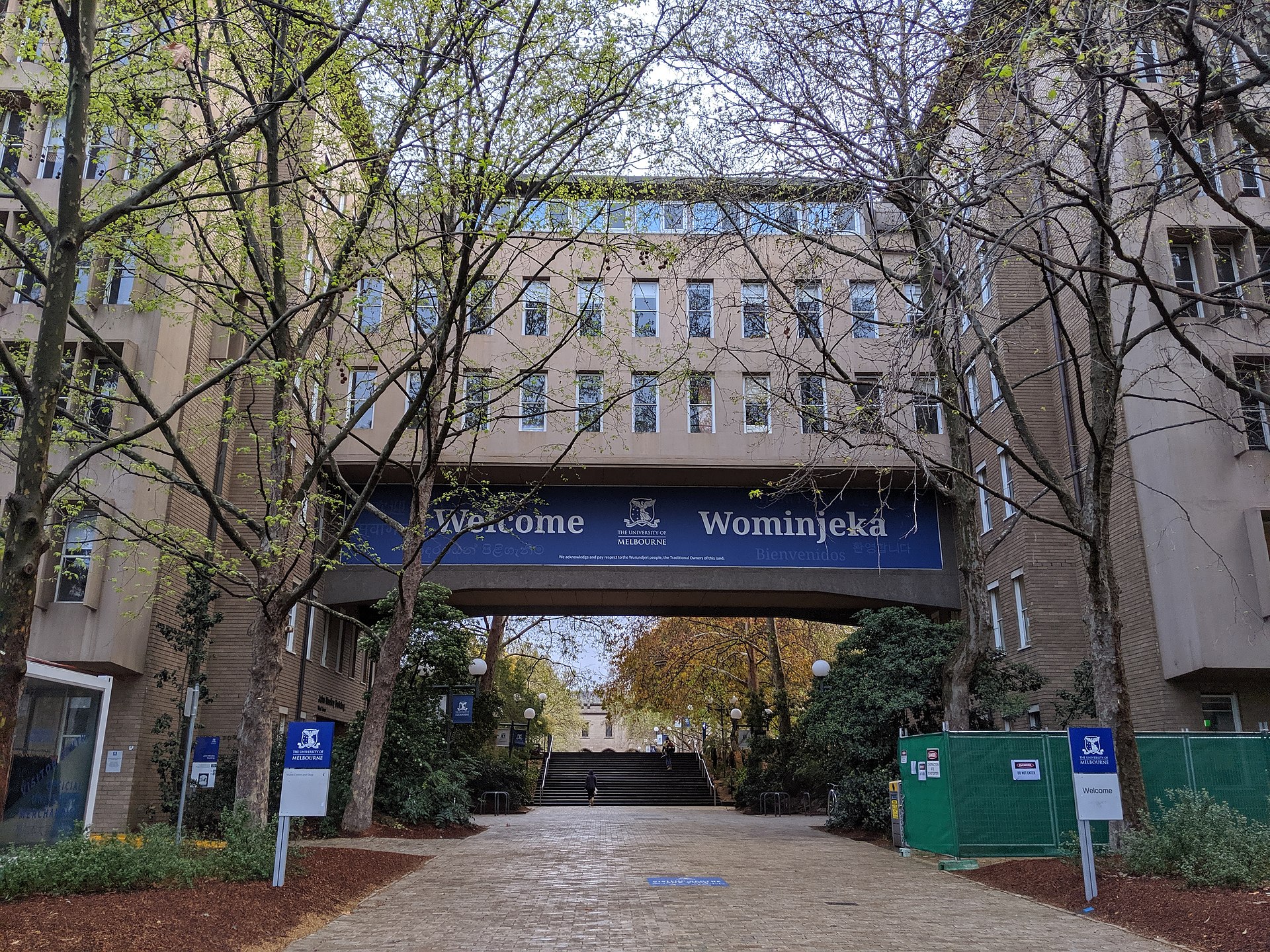
University of Melbourne
Established in 1853, Melbourne is Australia’s second-oldest university and a leading centre for teaching, research, innovation and creativity. It is a founding member of the Group of Eight — Australia’s leading research-intensive universities — and home to more than 100 research institutes, over 300 official degree programs, and thousands of international students from 140+ nations. It was the only Australian university ranked in the top 50 worldwide by multiple global ranking systems in 2025–2026.
Why Choose the University of Melbourne?
Here’s what makes Melbourne a top choice for international students:
-
Global Prestige: Ranked #1 in Australia and among the top 20 universities worldwide (QS #19, THE #37, ARWU #38, U.S. News #30).
-
Research Excellence: Over $900 million in research funding and world-class centres collaborate with global research partners.
-
Teaching Quality: Recognised as Australia’s leader in teaching and research reputation by Times Higher Education.
-
Global Network: Strong links with industry, governments, research institutions, and alumni networks worldwide.
-
Exceptional Student Life: Melbourne city is consistently rated #4 in global livability and #5 best student city
Campus Locations & Facilities
The university’s campuses and facilities are across Melbourne and Victoria, each specialised for certain fields:
-
Parkville (Main campus): Arts, science, humanities, law, medicine, engineering — the historic heart of the university.
-
Fishermans Bend (Design & Architecture): Home to creative industries.
-
Southbank (Victorian College of the Arts): Visual and performing arts.
-
Burnley (Environmental Science): Agriculture, ecology and botany.
-
Werribee & Dookie (Melbourne Veterinary School): Specialized in veterinary and animal sciences.
Modern labs, cutting-edge tech, student services, libraries, clubs and accommodation complement the academic environment.
Study Levels & Programs Offered
Undergraduate (Bachelor’s)
-
Liberal arts, business, engineering, law, science, medicine, psychology, education, design, etc.
-
Example: Bachelor of Commerce, Bachelor of Biomedicine, Bachelor of Engineering.
Postgraduate (Master’s & Doctorate)
-
Master of Data Science, Master of Public Policy, Master of Engineering, PhD research in humanities, STEM, business and more.
Specialist & Professional Courses
-
Dual degrees (e.g., Bachelor of Arts/Bachelor of Laws), graduate diplomas, and professional certifications.
-
> 300 programs across disciplines, including degrees unique to Melbourne such as Data Science, Veterinary Medicine, Networked Computer Systems and Fine Arts practice.
Mode of Learning
Melbourne delivers flexible learning options:
-
On-Campus (Traditional): Face-to-face lectures, workshops, labs, tutorials.
-
Blended / Hyflex: Mix of in-person and online sessions to allow flexibility.
-
Online: Certain postgraduate coursework degrees available fully online.
-
Research Mode: Primarily onsite for Masters and PhD candidates, with flexible supervision models.
Programs Offered & Intakes
-
Over 300 academic programs across undergraduate, graduate coursework, and research degrees.
-
Intakes: February/March (main) and August (mid-year), depending on the faculty and program.
-
Strict Academic merit-based selection — minimum academic results plus English proficiency.
Admission requirements can include prerequisite subjects, foundation studies via Trinity College, or the UMELBP English bridging program.
Highlights & Student Experience
-
High employability: Melbourne graduates are highly sought-after globally.
-
Diverse community: Students from 140+ countries in Melbourne’s multicultural capital.
-
Strong industry links: Partnerships with leading employers across tech, finance, media, health and government.
-
Sustainability leadership: The 2030 plan aims for 100% renewable energy and carbon neutrality.
-
Sport & culture: A rich student life with clubs, societies, sports teams, arts festivals and events.
Scholarship
For international students, fees vary by discipline and level:
-
Undergraduate programs: ~AUD $55,000–$65,000/year
-
Master’s programs: ~AUD $32,000–$60,000/year (varies by field)
-
Medical/Health Sciences: ~AUD $100,000+/year
-
Note: Tuition fees are likely to increase by up to 7% in 2025 for some courses.
-
Total course fees (including fees + contributions) range from AUD 150,000 to over AUD 200,000 depending on program length and level.
1. Melbourne International Undergraduate Scholarship
-
Benefit: 25% tuition fee remission for the duration of the bachelor’s degree
-
Eligibility: Citizens from countries with GDP per capita below USD 10,000, high secondary school scores (e.g., 96% ISC/CBSE, 40 IB, AAA* A-Levels)
-
Application: Automatic when applying for a bachelor’s degree
-
Recipients: ~110 annually
2. Melbourne Chancellor’s Scholarship
-
Benefit: 50% tuition fee remission + global scholars award (up to AUD 2,500) + international full-fee place in a professional master’s
-
Eligibility: Outstanding academic performance in IB or Australian Year 12 qualification
-
Application: Automatic upon admission
-
Value: AUD 17,500–32,500 per year
3. Commerce International Partner & Merit Scholarships
-
Benefit: Up to 50% tuition fee remission for Bachelor of Commerce students
-
Eligibility: Automatic consideration for applicants from partner institutes or with top-tier scores
-
Recipients: Around 10-50 scholarships per year
-
Duration: Full degree
4. Australia Awards Scholarship
-
Provided by: Australian Department of Foreign Affairs and Trade (DFAT)
-
Coverage: Full tuition, airfare, living stipend, and fieldwork costs
-
Eligibility: Students from DFAT-eligible developing countries with leadership potential
-
Level: Undergraduate, master’s, PhD and research programs
5. Melbourne Research Scholarships
-
Benefit: Up to AUD 135,000, including a 100% tuition fee waiver, living stipend (~AUD 38,500/year), relocation grant (AUD 3,000), and health cover
-
Eligibility: Open to domestic and international research students for master’s by research or doctorate
-
Duration: 2 years (Masters) / 4 years (PhD)
6. Science Graduate Scholarship (International)
-
Benefit: One-time AUD 10,000 tuition remission
-
Eligibility: High-achieving international applicants for master’s in science/environmental studies
7. Student Bursaries
-
Benefit: AUD 1,000–10,000 per year for financially disadvantaged students
-
Eligibility: Based on financial need and circumstances
-
Level: Undergrad, postgraduate, and research students
Eligibility & How to Apply
Eligibility:
-
Must be a citizen of countries other than Australia/New Zealand (unless specified).
-
Meet course entry requirements (e.g., high school certificate, IB, or equivalent).
-
Demonstrate academic excellence (many merit-based scholarships require top percentile results).
-
Financial need and equity criteria may apply for some bursaries.
Application Process:
-
Choose your course and apply directly through the University’s application portal or via an Agent.
-
Automatic consideration: Many scholarships do not require a separate application — you’re considered automatically once you apply and meet eligibility.
-
For competitive scholarships (e.g., Chancellor’s Scholarship or Australia Awards), additional application steps may include essays, references, leadership statements, and interviews.
-
Outcomes are usually communicated within 2–4 weeks of receiving an offer.
Student Support for International Students
-
Immigration support and student visa (Subclass 500): assistance with documentation, timelines, and work rights.
-
OSHC (Health Insurance): Included with some scholarships or arranged through student support.
-
Student services: Academic support, counselling, career services, and international student hubs.
-
Under-18 program: Special services and supervision for students under 18.
Final Tips for Applicants
-
Focus on academic excellence for merit scholarships — top 1–5% scores dramatically increase chances.
-
Apply for equity bursaries if you have financial need — they have lower competition and multiple rounds.
-
Start early (12–18 months) for major awards like Australia Awards or Melbourne Research Scholarships.
-
Engage the student support office and scholarship team for feedback on your statement and application.
Programs
-
AUD 726
-
AUD 726
-
AUD 1815
-
AUD 330
-
AUD 990
-
AUD 2420
-
AUD 1190
-
AUD 1,190
-
AUD 51,228
-
AUD 37,884 - 52,032
-
AUD 41,888 - 53,580
-
AUD 50,596 - 57,584
-
AUD 49,220 - $55,328
-
AUD 41,668 - 55,676
-
AUD 52,992
-
AUD 37,312
-
AUD 37,836
-
AUD 37,312
-
AUD 37,312 - 62,560
-
AUD 37,312
-
AUD 39,404
-
AUD 37,850
-
AUD 38,795
-
CAD 37,312
-
AUD 37,312 - 38,456
-
AUD 37,312
-
AUD 37,312 - $38,456
-
AUD 37,312 - 38,456
-
AUD 37,312 - 38,456
-
AUD 37,312-38,456
-
AUD 37,312 - 38,456
-
AUD 75,696
-
AUD 49,188 - 57,928
-
AUD 53,580 - 58,144
-
AUD 440
-
AUD 302.5
-
AUD 1190.00
-
AUD 1,760
-
AUD 500
-
AUD 1,541
-
AUD 1990
-
AUD 1350
-
AUD 1190
-
AUD 484
-
AUD 1,489.99
-
AUD 990
-
AUD 6,480 - 56,960
-
AUD 41,888
-
AUD 55,904
-
AUD 37,312
-
AUD 925.60
-
AUD 80,992
-
AUD 101,984
-
AUD 47,872
-
AUD 112,000
-
AUD 46,976
-
AUD 47,872
-
AUD 46,976
-
AUD 53,984
-
AUD 64,000
-
AUD 84,000
-
AUD 56,992
-
AUD 56,992
-
AUD 56,992
-
AUD 56,992
-
AUD 56,992
-
AUD 56,992
-
AUD 880
-
AUD 1350
-
AUD 1350
-
AUD 1990.00
-
AUD 44,992
-
AUD 990
-
AUD 285
-
AUD 1190
-
AUD 28,000
-
AUD 20,992
-
AUD 22,496
-
AUD 16,000
-
AUD 13,488
-
AUD 16,000
-
AUD 27,488
-
AUD 17,488
-
AUD 25,488
-
AUD 28,000
-
AUD 16,496
-
AUD 22,496
-
AUD 22,496
-
AUD 56,992
-
AUD 41,984
-
AUD 44,992
-
AUD 28,000
-
AUD 57,984
-
AUD 52,992
-
AUD 16,000
-
AUD 40,000
-
AUD 22,976
-
AUD 28,000
-
AUD 58,976
-
AUD 28,000
-
AUD 28,000
-
AUD 56,992
-
AUD 54,976
-
AUD 28,000
-
AUD 50,976
-
AUD 61,984
-
AUD 28,000
-
AUD 28,000
-
AUD 28,000
-
AUD 28,000
-
AUD 28,000
-
AUD 42,976
-
AUD 42,976
-
AUD 52,992
-
AUD 68,720
-
AUD 56,000
-
AUD 32,992
-
AUD 21,984
-
AUD 16,000
-
AUD 28,000
-
AUD 54,784
-
AUD
-
AUD
-
AUD 605
-
AUD 907.50
-
AUD 4076
-
AUD 5950
-
AUD 1,990
-
AUD 52,992
-
AUD 2,887.50
-
AUD 1350
-
AUD 1350
-
AUD 2,200
-
AUD 137.50
-
AUD 605
-
AUD 1350
-
AUD 56,992
-
AUD 56,992
-
AUD 56,992
-
AUD 40,000
-
AUD 16,000
-
AUD 53,984
-
AUD 56,992
-
AUD 44,99
-
AUD 65,984
-
AUD 57,984
-
AUD 52,992
-
AUD 52,992
-
AUD 44,992
-
AUD 46,976
-
AUD 45,984
-
AUD 57,984
-
AUD 52,000
-
AUD 57,984
-
AUD 57,984
-
AUD 54,976
-
AUD 32,000
-
AUD 16,000
-
AUD 57,984
-
AUD 57,984
-
AUD 54,976
-
AUD 62,976
-
AUD 80,992
-
AUD 16,000
-
AUD 14,048
-
AUD 32,000
-
AUD 40,000
-
AUD 22,976
-
AUD 56,992
-
AUD 57,984
-
AUD 56,000
-
AUD 52,992
-
AUD 42,976
-
AUD 44,992
-
AUD 42,976
-
AUD 44,992
-
AUD 42,976
-
AUD 56,992
-
AUD 42,976
-
AUD 45,984
-
AUD 56,992
-
AUD 47,712
-
AUD 56,992
-
AUD 45,984
-
AUD 45,984
-
AUD 57,984
-
AUD 56,000
-
AUD 57,984
-
AUD 57,984
-
AUD 57,984
-
AUD 56,992
-
AUD 54,976
-
AUD 57,984
-
AUD 56,000
-
AUD 54,976
-
AUD 34,976
-
AUD 42,976
-
AUD 60,960
-
AUD 60,960
-
AUD 42,976
-
AUD 52,992
-
AUD 52,992
-
AUD 65,984
-
AUD 61,984
-
AUD 56,000
-
AUD 56,000
-
AUD 44,992
-
AUD 16,496
-
AUD 56,000
-
AUD 56,000
-
AUD 57,984
-
AUD 58,976
-
AUD 58,976
-
AUD 48,000
-
AUD 56,000
-
AUD 56,992
-
AUD 44,992
-
AUD 44,992
-
AUD 56,000
-
AUD 44,992
-
AUD 52,992
-
AUD 56,000
-
AUD 56,000
-
AUD 44,960
-
AUD 56,992
-
AUD 56,992
-
AUD 56,992
-
AUD 56,992
-
AUD 56,992
-
AUD 48,000
-
AUD 57,984
-
AUD 57,984
-
AUD 56,000
-
AUD 44,992
-
AUD 42,976
-
AUD 42,976
-
AUD 42,976
-
AUD 42,976
-
AUD 40,000
-
AUD 48,000
-
AUD 43,104
-
AUD 46,976
-
AUD 56,000
-
AUD 25,080
-
AUD 33,440
-
AUD 56,000
-
AUD 56,000
-
AUD 52,992
-
AUD 30,992
-
AUD 12,000
-
AUD 56,000
-
AUD 140,650
-
AUD 44,992
-
AUD 98,662
-
AUD 56,000
-
AUD 56,000
-
AUD 56,000
-
AUD 56,000
-
AUD 56,000
-
AUD 56,000
-
AUD 42,976
-
AUD 44,992
-
AUD 56,160
-
AUD 57,984
-
AUD 64,000
-
AUD 32,992
-
AUD 32,992
-
AUD 56,000
-
AUD 16,000
-
AUD 56,000
-
AUD 48,000
-
AUD 48,000
-
AUD 48,000
-
AUD 44,992
-
AUD 42,976
-
AUD 42,976
-
AUD 42,976
-
AUD 44,992
-
AUD 52,992
-
AUD 52,992
-
AUD 53,984
-
AUD 52,992
-
AUD 12,000
-
AUD 6,050
-
AUD 214.50
-
AUD 423.50
-
AUD 2,200
-
AUD 1350
-
AUD 1,058
-
AUD 1350
-
AUD 1990
-
AUD 990
-
AUD 6,706
-
AUD 7,304
-
AUD 2,190
-
AUD 4,252
-
AUD 1190
-
AUD 1190
-
AUD 1,058
-
AUD 484
-
AUD 82.50
-
AUD 82.50
-
AUD 82.50
-
AUD 302.5
-
AUD 93.50
-
AUD 93.50
-
AUD 93.50
-
AUD 93.50
-
AUD 93.50
-
AUD 151.25
-
AUD 1,028.50
-
AUD 990
-
AUD 14,995
-
AUD 2,200
-
AUD 3950