EcoQuest Education Foundation
The EcoQuest Education Foundation (now known as the EcoQuest Centre for Indigeneity, Ecology, and Creativity) is a specialised environmental education and research institution in New Zealand.
- Established: 1999
- Type: Private Training Establishment (PTE) + Charitable Trust
- NZQA Status: Category 1 (Highest quality rating)
Core focus areas:
-
Ecology & conservation
-
Sustainable agriculture & food systems
-
Environmental policy & sustainability
Unique approach:
-
Combines science + culture + policy + community engagement
-
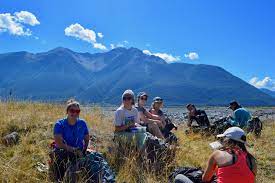
Focuses on “learning by doing” in real ecosystems
Strong partnership:
-
Programs are delivered with and academically accredited by the University of New Hampshire (USA)
University Ranking
EcoQuest is NOT a university, so it does not appear in QS or Times Higher Education rankings.
However, it has:
- NZQA Category 1 accreditation (top quality in NZ)
International academic credibility through:
-
University of New Hampshire partnership
Focus is on:
-
Field-based learning + global academic credits
-
Not traditional rankings
Types of Courses (Study Levels)
EcoQuest offers study abroad programs (mainly undergraduate level):
1. Ecology in Action Program
Options:
-
Semester Program (15 weeks, 16 credits)
-
Summer Program (5 weeks, 8 credits)
Focus Areas:
-
Restoration ecology
-
Environmental policy
-
Sustainability
-
Resource management
2. Sustainable Agriculture & Food Systems (SAFSA)
Focus Areas:
-
Agroecology
-
Climate-smart agriculture
-
Food systems & sustainability
-
Farm placements (practical training)
3. Directed Research Projects (DRP)
-
Field-based scientific research
-
Focus on:
-
Climate change
-
Biodiversity
-
Ecosystem monitoring
-
Mode of Learning
Fully Onsite & Field-Based (Primary Mode)
EcoQuest follows a unique experiential learning model:
- Outdoor learning (forests, farms, coasts)
- Field trips across New Zealand
- Hands-on research projects
- Community engagement
Learning formats include:
-
Fieldwork
-
Lectures
-
Group discussions
-
Farm placements
-
Cultural immersion
Students live in a residential learning community
Number of Programs Offered
-
2 main flagship programs
-
Plus:
-
Research projects
-
Short courses
-
Total: ~3–4 structured study options
Key Highlights
1. Unique Field-Based Learning
-
Study directly in:
-
Forests
-
Farms
-
Coastal ecosystems
-
2. Real Research Experience
-
Work on:
-
Climate change
-
Biodiversity
-
Conservation projects
-
3. Sustainability-Focused Education
-
Integrates:
-
Ecology
-
Culture
-
Economics
-
Policy
-
4. Interdisciplinary Learning
-
Combines:
-
Science + society + indigenous knowledge
-
5. Residential Learning Community
-
Students live together
-
Participate in:
-
Cooking
-
Sustainability practices
-
Community work
-
6. Strong Community Engagement
-
Work with:
-
Local communities
-
NGOs
-
Indigenous M?ori groups
-
Latest Updates & Developments
Rebranding & Expansion
-
Renamed as:
-
EcoQuest Centre for Indigeneity, Ecology, and Creativity (2023)
-
New Focus Areas
-
Sustainable agriculture programs added
-
Stronger emphasis on:
-
Climate change
-
Food systems
-
Continued Global Participation
-
Students from:
-
90+ universities worldwide
-
Upcoming Intakes
-
Fall & Spring semester programs
-
Summer short programs available
Why Choose EcoQuest?
Best for students interested in:
-
Ecology
-
Environmental science
-
Sustainability
-
Agriculture
Offers:
-
Hands-on learning (not classroom-only)
-
Global exposure
-
Real research experience
Final Summary
EcoQuest is a unique, globally respected environmental study-abroad provider in New Zealand offering:
-
NZQA Category 1 quality
-
Field-based ecology & sustainability programs
-
Global academic credit (via University of New Hampshire)
-
Real-world research and community engagement
Scholarship
1. EcoQuest / Partner-Based Financial Aid
A. Transfer of Home University Financial Aid
Most students (especially from US/partner universities) can:
-
Use their existing scholarships or financial aid
-
Transfer funding directly to EcoQuest program
As stated officially:
-
“Most students… will be able to transfer their existing financial aid arrangements”
Eligibility:
-
Must be enrolled in a home university program
-
Approved for study abroad or exchange
-
Must receive academic credit transfer
How it Works:
-
Apply to EcoQuest program
-
Get acceptance
-
Coordinate with home university
-
Transfer:
-
Grants
-
Loans
-
Scholarships
-
B. Partner University Scholarships (UNH Students)
Since EcoQuest programs are:
- Academically accredited by University of New Hampshire
Students from UNH may access:
-
Study abroad scholarships
-
Departmental funding
-
Financial aid packages
Eligibility:
-
Enrolled at UNH or partner institutions
-
Accepted into EcoQuest program
2. External Scholarships (Main Option for International Students)
Because EcoQuest itself has limited funding, external scholarships are the MOST important route
A. Government & International Scholarships
Students can apply for:
-
New Zealand Government scholarships
-
Environmental / sustainability grants
-
Study abroad funding schemes
B. Environmental & Sustainability Scholarships
EcoQuest programs fall under:
-
Ecology
-
Environmental science
-
Sustainable agriculture
So students can apply for:
-
Global environmental scholarships
-
Research fellowships
-
Climate-related funding
C. Private & NGO Scholarships
Examples include:
-
Education foundations
-
International study grants
-
Research sponsorships
These may partially cover:
-
Tuition
-
Travel
-
Living expenses
3. Indirect Funding Opportunities
A. Education Loans + Loan Scholarships
Many students combine:
-
Education loan
-
Partial scholarship
B. Research Grants
Students doing:
-
Directed Research Projects (DRP)
May receive:
-
Research-based funding (limited, project-dependent)
Scholarship Eligibility Requirements (General)
Since scholarships are mostly external, eligibility depends on provider—but generally:
Academic Requirements
-
Strong academic background (usually 65–80%+)
-
Relevant subject (environmental science, sustainability, etc.)
Program Requirements
-
Must be accepted into EcoQuest program
-
Must meet academic criteria of:
-
University of New Hampshire
-
English Language
-
IELTS / TOEFL (as required by program)
Documents Required
-
Academic transcripts
-
Statement of Purpose (SOP)
-
Letters of recommendation
-
Resume/CV
-
Passport
Additional Advantages
-
Interest in:
-
Ecology
-
Sustainability
-
Climate change
-
-
Fieldwork / research experience
Key Takeaways
- EcoQuest offers very limited direct scholarships
Main funding sources:
-
Home university aid
-
External scholarships
-
Partner university funding
Ideal for:
-
Study abroad students
-
Environmental science learners